Harry Styles is widely recognized as one of the most influential contemporary figures in music and popular culture. Over the course of his career, he has evolved from a member of a globally successful boy band into a solo artist, actor, and fashion figure with international visibility. His career trajectory reflects broader changes in the entertainment industry and the evolving nature of celebrity culture in the digital age.
Born in England, Harry Styles first gained major public attention through participation in a televised music competition that led to the formation of the group One Direction. The band quickly became one of the most commercially successful pop acts of its era, attracting a massive international audience and helping define youth-oriented pop culture during the early 2010s.
The success of One Direction demonstrated the growing influence of online fan communities and social media in shaping global entertainment trends. Digital platforms allowed fans to engage continuously with artists, contributing to the rapid international growth of the group’s popularity.
Following the group’s hiatus, Styles began developing a solo career that differed stylistically from his earlier work. His music incorporated influences from classic rock, pop, folk, and alternative genres, leading many critics to view his artistic direction as an attempt to establish a broader creative identity beyond traditional mainstream pop formulas.
In addition to music, Harry Styles expanded into acting and film projects, illustrating the increasingly multidisciplinary nature of modern celebrity careers. Entertainers today often move between industries including music, cinema, fashion, and advertising while maintaining visibility across all of them simultaneously.
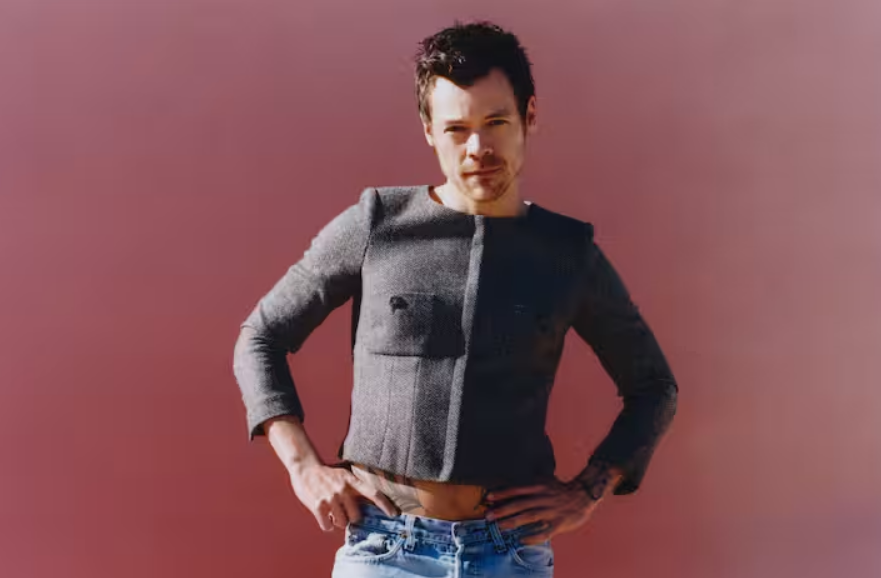
Styles has also become closely associated with contemporary fashion culture. His public appearances frequently generate discussion regarding gender expression, personal style, and the changing expectations surrounding masculinity in entertainment. Fashion publications and cultural commentators often cite him as an example of shifting attitudes toward self-expression in popular media.
The relationship between celebrity image and social media has also played an important role in his public profile. Online platforms allow public figures to maintain direct communication with audiences while simultaneously intensifying media attention around their personal lives and public behavior.
Critics and analysts have often discussed Harry Styles as part of a larger transformation in modern pop stardom. Contemporary artists are expected not only to produce successful music but also to maintain a strong visual identity, participate in cultural conversations, and sustain global audience engagement across multiple media platforms.
His concerts and international tours have attracted significant commercial success, reflecting the continuing importance of live performances within the music industry even as digital streaming dominates music distribution. Live events remain central to artist branding and audience connection in the modern entertainment landscape.
At the same time, Styles’ career illustrates the increasing overlap between entertainment and cultural influence. Musicians today frequently become symbols connected to broader conversations about identity, creativity, fashion, and generational values.
Today, Harry Styles remains one of the most visible figures in international entertainment. His career reflects how modern celebrity increasingly combines music, visual identity, fashion influence, digital culture, and global media presence into a single interconnected public image.