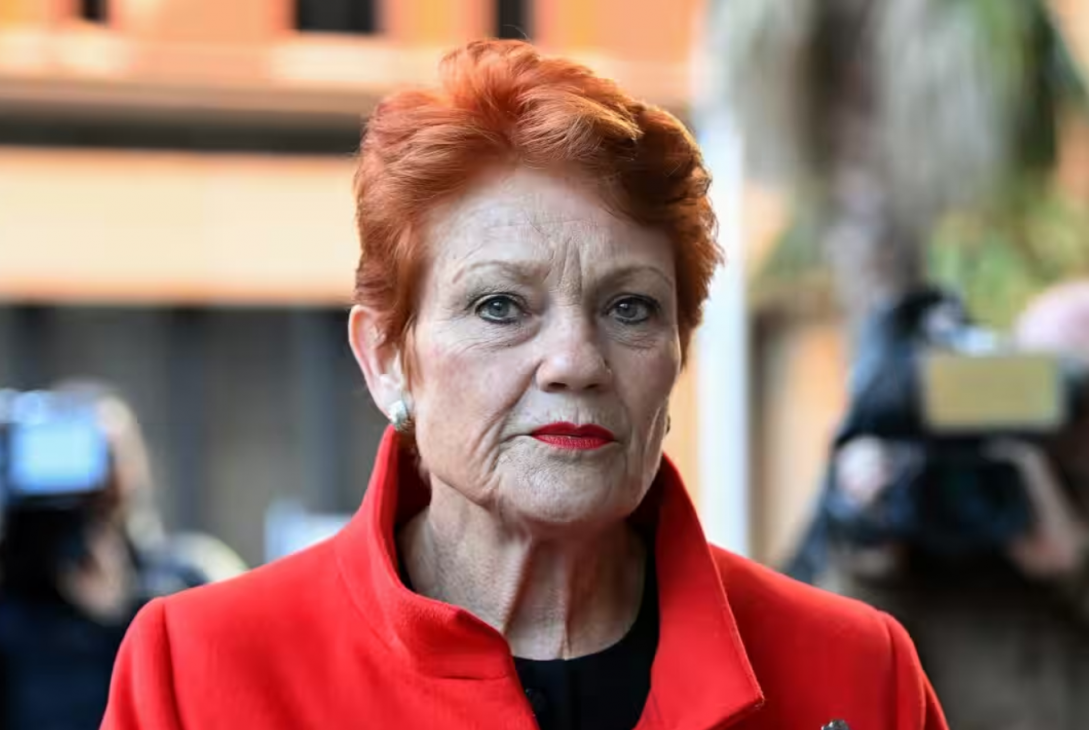
Pauline Hanson remains one of the most controversial and recognizable figures in Australian political history. Over several decades, she has become closely associated with populist politics, debates surrounding immigration and national identity, and criticism of political elites. Her political career reflects broader global trends involving nationalism, voter dissatisfaction, and the rise of anti-establishment movements within democratic societies.
Born in Queensland in 1954, Hanson worked in various professions before entering politics. Her political rise began during the 1990s, a period marked by economic change, globalization, and increasing public debate about multiculturalism and national identity in Australia.
Hanson first attracted national attention through outspoken statements on immigration, cultural integration, and Indigenous policy. Her direct communication style immediately distinguished her from more traditional politicians. Unlike leaders who relied heavily on carefully managed institutional language, Hanson often spoke in blunt and emotionally charged terms.
This communication style became central to her political identity. Supporters viewed her as authentic, unfiltered, and willing to discuss issues that they believed mainstream parties avoided. Critics accused her of promoting division, oversimplifying complex social issues, and contributing to political polarization.
The formation of the One Nation party significantly expanded Hanson’s influence. The party emerged as a vehicle for voters dissatisfied with major political institutions and concerned about globalization, economic insecurity, and cultural change. One Nation became one of the most visible populist political movements in Australia.
Immigration policy remained one of the defining themes of Hanson’s political career. She frequently argued for stricter border controls, limitations on immigration, and stronger emphasis on Australian national identity. These positions generated intense public debate and widespread media attention.
Her political rhetoric often focused on ordinary citizens who felt ignored by political elites, urban institutions, or global economic systems. This populist framing mirrors movements seen in many countries where anti-establishment politics gained support during periods of social and economic uncertainty.
Another significant aspect of Hanson’s career is media visibility. She became a highly recognizable public figure not only because of her policies, but also because of her ability to dominate public discussion through controversy and provocative statements. Television appearances, interviews, and political debates frequently amplified her influence beyond parliamentary representation alone.
The relationship between Hanson and the Australian media has always been complex. Critics argue that media attention sometimes normalized divisive rhetoric, while supporters claim that journalists unfairly targeted her due to political bias. Regardless of perspective, media exposure played a major role in sustaining her national prominence.
Pauline Hanson’s political career also illustrates how populist figures often survive despite repeated controversies. Many politicians would struggle to recover from major public criticism, but Hanson repeatedly maintained or rebuilt political relevance by appealing directly to dissatisfied voter groups.
Her supporters frequently emphasize concerns about economic inequality, rural communities, national sovereignty, and distrust toward political institutions. Critics, however, argue that her political messaging contributes to social division and oversimplifies multicultural realities within modern Australia.
The rise of populist politics internationally provides important context for understanding Hanson’s influence. Similar political movements appeared across Europe, North America, and other democratic societies during periods of economic transformation and growing distrust of traditional institutions.
Another important dimension of Hanson’s career is the relationship between identity politics and democracy. Questions surrounding immigration, nationalism, and cultural identity increasingly dominate political debate in many countries, and Hanson became one of the most visible Australian representatives of these discussions.
Her long political survival also reflects changes in political communication. Modern populist leaders often rely less on traditional party structures and more on direct communication, emotional messaging, and media visibility. Hanson adapted effectively to these dynamics over time.
At different stages of her career, she also addressed issues such as energy policy, economic protectionism, and regional inequality. These broader policy themes helped expand her appeal beyond single-issue politics.
Whether viewed as a voice for politically marginalized Australians or as a deeply divisive figure, Pauline Hanson has undeniably shaped Australian political debate. Her influence extends beyond electoral results alone because she helped redefine public conversations around identity, nationalism, and populism.
Today, Hanson remains one of the most discussed figures in Australian politics. Her career demonstrates how populist movements can reshape democratic discourse, challenge established political norms, and maintain influence through direct emotional connection with segments of the electorate.