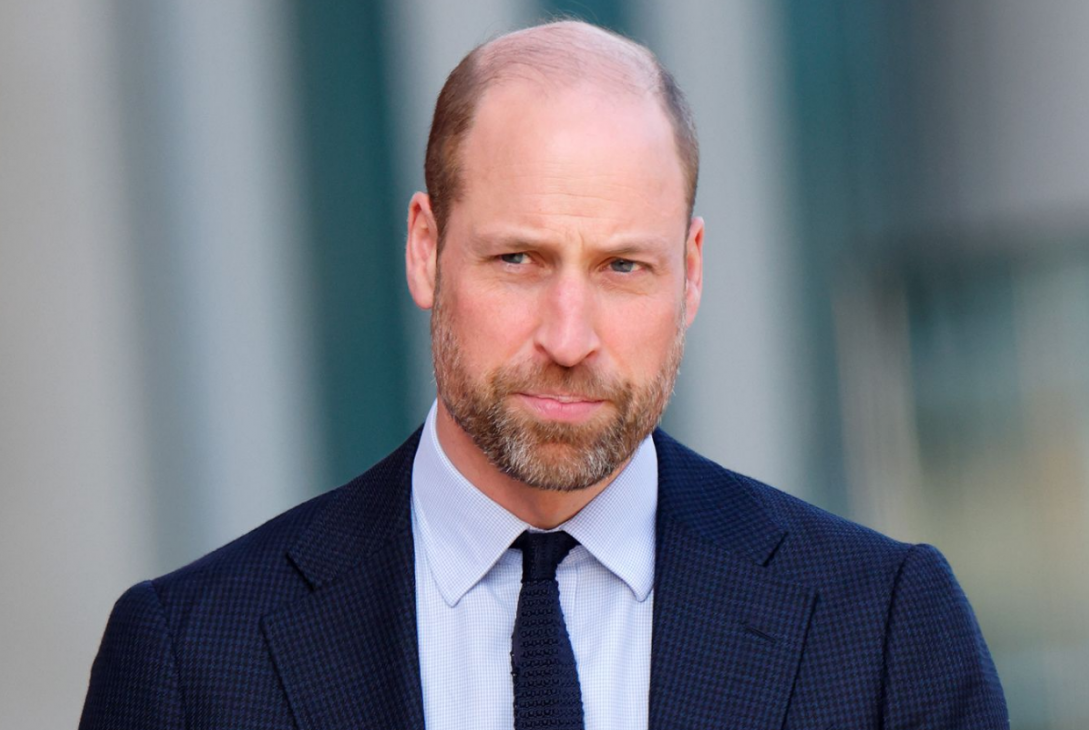
Prince William is the Prince of Wales and the heir apparent to the British throne. As the eldest son of King Charles III and the late Diana, Princess of Wales, he has spent his entire life in the public eye while preparing for his future role as monarch. Throughout his life, William has balanced royal responsibilities with military service, charitable work, environmental advocacy, and family life. Today, he is widely regarded as one of the most influential members of the British royal family and a central figure in shaping the monarchy for future generations.
William Arthur Philip Louis was born on June 21, 1982, at St Mary’s Hospital in London, England. His birth attracted worldwide attention as he became second in line to the British throne after his father, then Prince Charles. From the very beginning of his life, William experienced the unique challenges of growing up within one of the world’s most famous royal families.
His parents sought to provide him and his younger brother, Prince Harry, with as normal a childhood as possible despite constant public attention. Princess Diana, in particular, believed her sons should experience everyday life beyond palace walls. She took them to schools, amusement parks, hospitals, restaurants, and homeless shelters, hoping they would develop empathy and understand the lives of ordinary people.
William attended several schools before enrolling at Eton College, one of Britain’s most prestigious educational institutions. During his school years, he became known for his academic ability, athletic interests, and relatively grounded personality despite his royal status. Following graduation, William took a gap year, traveling abroad and participating in volunteer projects before entering the University of St Andrews in Scotland.
At St Andrews, William studied Geography and met Catherine Middleton, who would later become his wife. Their relationship developed gradually during university, and although media attention remained intense, they maintained a relatively private student life. Their relationship became one of the most closely followed royal romances in modern history.
After graduating in 2005, William began military training. Following a long royal tradition, he served in the British Armed Forces, completing officer training at the Royal Military Academy Sandhurst. He later served with the Blues and Royals cavalry regiment before training as a Royal Air Force search and rescue helicopter pilot.
William’s military service was widely praised for its professionalism and dedication. As a search and rescue pilot, he participated in numerous real emergency operations, helping rescue people from mountains, coastlines, and accident sites throughout the United Kingdom. His experience gave him practical leadership skills and exposed him to situations far removed from ceremonial royal duties.
On April 29, 2011, William married Catherine Middleton at Westminster Abbey in London. The wedding attracted a global television audience estimated in the billions and became one of the most significant royal events of the twenty-first century. Upon marriage, they became the Duke and Duchess of Cambridge, and later, following Queen Elizabeth II’s death in 2022, they were named the Prince and Princess of Wales.
William and Catherine have three children: Prince George, Princess Charlotte, and Prince Louis. Together they have emphasized providing their children with as normal an upbringing as possible while preparing them for future royal responsibilities. The family is often seen participating in school events, sporting activities, and community engagements, reflecting a modern approach to royal parenting.
Throughout his royal career, William has supported hundreds of charitable organizations covering healthcare, homelessness, conservation, mental health, emergency services, education, and youth development. His charitable work focuses not only on raising awareness but also on developing long-term practical solutions to major social challenges.
Mental health has become one of William’s signature causes. Together with Catherine and Prince Harry, he launched the Heads Together campaign, encouraging open conversations about mental health and reducing the stigma surrounding psychological illness. The initiative significantly increased public discussion about anxiety, depression, and emotional well-being across the United Kingdom.
Environmental protection has also become central to William’s public work. In 2020, he established the Earthshot Prize, one of the world’s most ambitious environmental awards. The initiative provides financial support and international recognition to innovative solutions addressing climate change, biodiversity loss, pollution, ocean conservation, and sustainable development. Inspired by former U.S. President John F. Kennedy’s Moonshot program, the Earthshot Prize aims to encourage practical environmental innovations capable of improving the planet.
William has consistently argued that environmental protection should combine scientific innovation, business investment, and international cooperation. Rather than focusing solely on environmental problems, he frequently emphasizes optimism and highlights successful projects capable of creating measurable positive change.
Homelessness represents another longstanding priority for William. Inspired partly by visits to homeless shelters alongside his mother during childhood, he has supported organizations working to reduce homelessness throughout the United Kingdom. His recent initiatives focus on creating sustainable housing solutions and preventing homelessness before it occurs.
William has represented the United Kingdom on numerous international visits, meeting world leaders, participating in diplomatic events, supporting British trade, and strengthening relationships between the monarchy and other nations. His diplomatic responsibilities continue to expand as he prepares for his future role as king.
Following the death of Queen Elizabeth II in September 2022, William automatically became the Prince of Wales and first in line to the British throne. This transition significantly increased his constitutional responsibilities while placing him at the center of the monarchy’s future development under King Charles III.
Despite intense media attention throughout his life, William has generally maintained a reputation for professionalism, stability, and careful public communication. He rarely comments on political matters, instead focusing on charitable work, national service, environmental initiatives, and family responsibilities consistent with the constitutional role of the monarchy.
William has also embraced modernization within the royal household by increasing transparency, expanding digital communication, and supporting projects that engage younger generations. His public image reflects an effort to preserve royal tradition while adapting the institution to contemporary society.
Today, Prince William stands as one of the most prominent public figures in the United Kingdom and across the Commonwealth. As the future king, he represents continuity, stability, and gradual modernization within one of the world’s oldest constitutional monarchies. Through his military service, charitable leadership, environmental advocacy, commitment to mental health, and dedication to public service, William continues to shape the evolving role of the British royal family in the twenty-first century.